

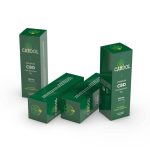
 Custom CBD, Marijuana, Cannabis packaging
 Custom CBD Chocolate boxes
 Custom CBD, Cannabis Jar Packaging
 Custom Cigarette and Joint Packaging
 Custom Vape Packaging
 Custom Tincture Boxes
 Custom Marijuana Display Packaging
 Custom Hemp Packaging
 Custom E-liquid Packaging
 Child Lock Boxes
 Custom Edibles, gummy Packaging
 Custom Cosmetic Packaging
 Custom Soap Packaging
 Hair Extension boxes
 Personal Care packaging
 CardBoard
 Currogated
 Natural Kraft
 Rigid
Rigid
 Bottle Necker printing
 Brochers And Flyers Printing
 Hang tab printing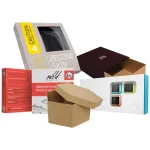
 Apparel Boxes
 Candle boxes
 Perfume Boxes
 Pharma/ Medicine Boxes
 Pillow Boxes
 Restaurant Boxes
 Rigid Boxes
 Gable Boxes
 Gift boxes
 Rigid gift boxes
 Bakery Boxes
 Cereal boxes
 Chocolate Boxes
 Cupcake boxes
 Pizza boxes
Data is among the most crucial assets of an organization. Data breaches and cyber attacks are increasing so a well-crafted data security strategy even more crucial than ever. A robust data security plan safeguards information against unauthorised access, which could cause devastating damage, including costly recovery and forensic costs, lost productivity as well as penalties for compliance, reputational damage and a permanent loss of trust from customers.
A solid data policy should include best practices, for example encryption, to safeguard sensitive data during transport and in storage. It should also include authorization, authentication, user authentication and access management. It also includes monitoring and detecting threats to the integrity, confidentiality and availability of data.
Identifying and classifying information by its sensitivity is an additional aspect of data security and helps organizations prioritize their security measures in accordance with. For instance, data with low sensitivity is available to the public and high-sensitivity data is restricted to a limited number of users in order to avoid devastating consequences in the event it is compromised or destroyed.
Data security is a major concern for organizations of all sizes all over the world, especially given the growing variety and sophistication of cyberattacks, as well as the strict regulatory requirements such as the EU’s General Data Protection Regulation (GDPR), California Consumer Privacy Act (CCPA), and Payment Card Industry Data Security Standard (PCI DSS). In addition to protecting customers from identity theft, secure data security is a vital part of meeting legal and compliance requirements within a specific field or geographical area and is often required by local laws, whether state or national.
http://www.mydigitalbusinessblog.com/how-to-set-up-fitbit-to-effectively-use-it